Monthly Archives: September 2010

YMCA und DBA, ein verfolgter Parlamentarier, zwei Mönche und zwei verdeckte Journalisten

Das ist nun eine lange Überschrift, nach der mir der Atem nur noch zu einem sehr knappen Bericht reicht. Ich finde nur selten Zeit, mich mit dem Laptop irgendwohin zu setzen und zu schreiben. Die Luft ist schwül, die Hitze eigentlich erträglich und mit zeitweiligen leichten Luftzügen sogar ganz angenehm. Hin und wieder regnet es unvermittelt für eine Stunde. Die abendliche Luft ist voller fingergroßer Libellen.

Polio-Impfung im YMCA

Polio-Impfung im YMCA

Gestern waren wir zunächst beim YMCA in einer Schule für burmesische Flüchtlingskinder und dann, nach schwierigen Fußwegen an Zelten und Baracken und großen Pfützen entlang, über Kanäle mit weißlichem Abwasser hinweg und zwischen spielenden Kindern, Werkstätten unter freiem Himmel und in ihren Exkrementen und Müllbergen wühlenden Schweinen hindurch, bei DBA, Don Bosco Ashalayam. Dort geht es mehr um berufliche Ausbildung und Requalifizierung für Jugendliche und Erwachsene. Neben diversen Kursen wie Englisch und Computerkenntnissen und einfacher handwerklicher Ausbildung werden dort auch Berufe vermittelt. Das Team von DBA begleitet dann die angestellten Flüchtlinge für einige Zeit und klärt gegebenenfalls auftretende Probleme mit den Arbeitgebern.

Sowohl YMCA als auch DBA können ihre Dienste in der Regel nur registrierten Flüchtlingen anbieten. Um vom UNHCR anerkannt zu werden, müssen sich die Neuankömmlinge zunächst registrieren und warten dann eine bestimmte Zeit auf ihr “Bewerbungsgespräch”. Das dauert bei manchen Leuten ein halbes Jahr, bei anderen zwei Jahre. Es ist seltsam, dass etwa geflohene Akteure der Proteste von 2007, die als Saffranrevolution bekannt geworden sind, und verfolgte Journalisten oft zu denen gehören, die länger warten müssen. Nach der Anerkennung durch das UNHCR können die Flüchtlinge dann ihren legalen Aufenthalt bei den indischen Behörden beantragen. Dort müssen sie zunächst eine “Strafe” für die Zeit ihres Aufenthaltes vor der Anerkennung zahlen, da dieser als illegal gilt. Der UN-Flüchtlingsstatus scheint da nicht rückwirkend zu gelten. Der legale Aufenthalt muss immer wieder erneuert werden und kann, je nach Laune des Beamten, oft nur genau an dem Tag beantragt werden, an dem der vorherige ausläuft. Flüchtlinge die zu früh erscheinen, werden aufgefordert, später wieder zu kommen. Wenn sie später erscheinen, dann zahlen sie natürlich Strafe.

Uns wurde von mehreren Seiten berichtet, dass es Fälle gegeben habe, in denen die Zuteilung dieses Wohnsitzes mit “gewissen Zahlungen” beschleunigt worden sei, von 10.000 Rupees war die Rede. Es gäbe zwar eine Möglichkeit, sich über die Verantwortlichen zu beschweren, aber darauf angesprochen antworten die Beschuldigten  nur, dass sie als Strafe versetzt würden und ein Kollege käme, der dann die Akten noch einmal ganz von Anfang durchsehen müsste. So lange will natürlich niemand warten. Ich weiß nicht, inwieweit diese Anschuldigungen wahr sind, aber ich gehe davon aus, dass die Leute beim UNHCR diesen Verdachtsmomenten nachgehen und sich für die Flüchtlinge – ihre Schutzbefohlenen – stark machen.

Dr. Tint Swe, der aus den letzten demokratischen Wahlen Burmas im Jahr 1990 als Parlamentarier hervorgegangen ist und nun eine kostenlose Klinik für burmesische Flüchtlinge betreibt, hat uns von seiner Flucht erzählt. Der Verhaftung, die ihn beim Abendessen hätte ereilen sollen, ist er nur um Haaresbreite entkommen und konnte dann über die Grenze nach Indien fliehen. Stellvertretend wurde sein jüngerer Bruder für vier Jahre ins Gefängnis gesteckt. Sowohl seine Klinik als auch seine Aktivitäten als Dissident bieten nicht gerade eine Langzeitperspektive. Trotzdem setzt er unbeirrt seine tägliche Arbeit im Kleinen fort. Von Aung San Suu Kyi sagte er, sie habe ein bestimmtes Stadium der buddhistischen Erleuchtung erreicht, was ihr viel Kraft, Ruhe und Optimismus verleihe. Vielleicht trifft das auch auf ihn zu.

Burmesischer MönchDann besuchten wir auch eine Art Kloster, wo einige aktive Mönche der Saffranrevolution untergekommen sind. In Burma leben diese Mönche von Spenden, was natürlich in Delhi nicht gut funktioniert, da es hier nur wenige Buddhisten gibt. Arbeit finden sie vermutlich auch nicht so leicht. Zuhause verrichten sie keine Erwerbstätigkeiten.

Das waren unsere Unternehmungen am Montag. Jetzt hänge ich mit meinem Bericht schon einen Tag hinterher, und ich habe noch nicht einmal annähernd alles niedergeschrieben, was wir alles gehört haben.

Related Posts:

last to the post

 i’m not even sure i am meant to write this blog as so far things have conspired against me. for two days i could not get my laptop to connect to the wifi at our fabulous b&b. christoph saved me by finding a free software download to solve what was apparently a Vista problem (doh!). now i am sitting in the dark on the floor in the hallway, beside a rather spectacular horsehead lampshade (i am not making this up) that emits a tiny amount of light. the mosquitoes have honed in on my position, despite the layers of deet on my skin. problem being that while my room has electric sockets to power up my laptop, it has no wifi signal. downstairs in the common area the houseboy (sorry i cannot find a better word, that’s what he’s called) is already asleep so i can’t turn on the light to get power to a socket. hence why i’m sitting on the floor in the dark.

but the important thing is that i can finally write something! to rush through the beginning, we arrived safely late saturday night and spent sunday getting the lay of the land and then welcoming the three czech journalists who had followed us on different flights.

today was our first big day – started out with breakfast (roti aloo, delicious) and an interesting conversation with the wife of the owner of the b&b who explained to me the life coach concept of ‘management’. ‘man is a gem’ if he understands ‘ent’ – enlightenment, nature (living with not taking from), and transformation (being able to change with the times). good food for thought.

we started out with a meeting with our partner, burma centre delhi. we made some last-minute changes to our schedule and i had my second cup of masala tea for the day, then the journalists joined us for our first visit to a local organization that helps refugees, the YMCA. we visited a class of very young burmese refugee children (as well as one somali and one afghani refugee) who happily recited “a is for apple” for us, then received a visit from a doctor for an oral vaccination. the kids all jumped up with their mouths open ready to receive the drops. the facilities at the school are of course basic, but are livened up with colourful posters and brightly painted walls.

our next stop was the don bosco refugee training center, where refugees, be they officially recognized by the UNHCR or still ‘under consideration’ for refugee status (the process can take years) can come for english language and computer training. there’s also an income generation program, where refugee women and men make jewellery, do weaving, and sewing to produce products for sale in delhi, both retail in their own shops, and wholesale. for those with refugee status, the center also has a placement team to help refugees find work in factories and local businesses. health campaigns are also a big part of the center’s work, we saw dozens of posters explaining how to prevent malaria or what to do when one is a victim of sexual violence. the center employs both indians and burmese resident in delhi, all are dedicated and hardworking.

continuing the health theme, we then went to visit dr. tint swe, who is both a physician running a free medical clinic for burmese refugees in delhi, and an MP of the burmese government in exile. dr. swe left burma in 1990, narrowly avoiding arrest for his political activities thanks to the help of family and friends. after a difficult and often dangerous journey he made it to delhi and set up his clinic. he treats an average of about 70 patients every day the clinic is open. then of course he continues his work as an MP, pushing for change in burma. meeeting dr. swe was one of those moments where you realize this person exists on an entirely different plane that you can aspire to but will never reach. his optimism in the face of the depressing and at-present-unlikely-to-change situation in burma is inspiring.

just a few doors down from dr. swe we met a buddhist monk who participated in the saffron revolution in 2007 and was then forced to flee. he also had a harrowing story about escaping from burma. we talked about many things, including the upcoming elections in burma, and his biggest wish was that we say to the world that these elections are not fair and not free, and should not be recognized by any international governments. these elections are being boycotted by aung san suu kyi and the national league for democracy party, because in the party’s view, participating in the elections legitimizes the constitution that was basically passed under duress in a referendum held immediately following cyclone nargis.

the thorny issue of the elections also figured in our final meeting for the day, with two burmese journalists, one freelance and one working for the irrawady news agency, who also fled to new delhi after what they call the september uprising (saffron revolution). one has already been granted refugee status here, the other is still ‘under consideration’ after two years of waiting. she used to work as an undercover journalist in burma and shared stories about various ‘spy cameras’ and technologies used to make untraceable calls into and out of burma. in contrast to communist countries where the inhabitants often are not allowed to leave, burmese can get passports and travel abroad. but if they stay abroad and become involved in exile (political) activities, it is no longer safe for them to return. dr. swe, for example, was sentenced to 25 years in jail in abstentia. for these two journalists, the one with refugee status can no longer return to burma but the one without cannot. she lives here under a different name than the one on her passport, so that she can still come and go to burma when possible. after we peppered this couple with dozens of questions, they had one for us: what do you think we should do, vote or not vote, in the upcoming elections? a lively discussion followed among czechs, german, canadian, and burmese – but there was no clear answer.

i will end this, my first blog from delhi, on a sobering note before i go take my bedtime shot of slivovice to avoid delhi belly: a burmese blogger who blogged throughout the saffron revolution was caught and sentenced to 56 years in prison.

r

Related Posts:

Barmské dilema

Volit či nevolit? To je dilema Barmánců před blížícími se listopadovými volbami. Po mnoha letech se vládnoucí vojenská junta rozhodla umožnit pořádat volby. Všem je ale jasné, že to nebudou volby ani svobodné ani demokratické. Mají tedy Barmánci volit nebo ne? Mám pocit, že nejméně jednou jsem se za vlády jedné strany v Československu zúčastnil voleb. Dělali to všichni. Jistěže můj hlas nic nezměnil, že moje případná neúčast ve volbách by nesrazila na kolena komunistickou vládu. Faktem ale je, že jsem volil a přispěl jsem tak k pravidelné devadesátidevíti procentní volební účasti a devadesátidevíti procentnímu vítězství těch, kdo volby organizovali a zároveň manipulovali. Byla to chyba. Tyto myšlenky mi běží hlavou, když sedím ve střešním bytě dvojice barmských novinářů v indickém Díllí.

„Měli by lidé v Barmě jít k volbám?“, ptá se mě Zarni Mann.

Myslím, že ne. Určitě ne. Pokud nebude zaručen jejich demokratický a transparentní průběh, pokud nebude zajištěna spravedlivá a rovná předvolební kampaň, pokud se nebude ve volné soutěži názorů ucházet o hlasy voličů víc politických subjektů, pokud nebudou do země vpouštěni zahraniční pozorovatelé, aby dohlíželi nad regulérností voleb, potom by Barmánci měli volby bojkotovat a celému světu tak vyslat jasnou zprávu o stavu své země.

Related Posts:

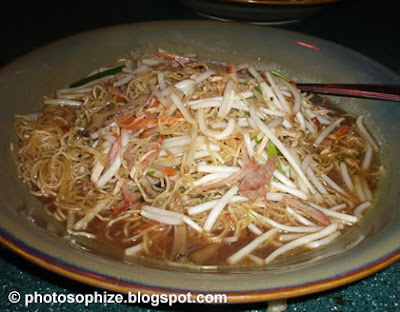
Co mají společného volby v Barmě a Cripsy noodles?

Co mají společného nadcházející demokratické volby v Barmě a dnešní Cripsy noodles z vyhlášené a mnohokrát oceněné vegetariánské restaurace v Západním Dillí?

Rozhodně víc, než by se mohlo na první pohled zdát.

Na první pohled vypadá obojí docela lákavě. Trochu nezvykle, ale lákavě.

První sousto vás překvapí. Chvíli si ho válíte po jazyku a přemýšlíte, “co to se ksakru děje”. Nemůžete se rozhodnout, jestli jo, nebo ne. Chutná, nechutná. Nakonec se necháte přesvědčit. Křupavé nudle stejně jako volby pořádané v nedemokratické zemi po dvaceti letech by přece měly dostat šanci. Po nějaké době ale zjistíte, že vám krmě s každým dalším soustem těžkne na jazyku a polyká se čím dál tím hůř. Nepomáhají ani mohutné doušky pramenité vody z úpatí Himalájí. Vnímáte už jen to odporné křupání…

Dozvíte se, že jediná osoba s dostatečně silným mandátem na to, aby sjednotila etnicky a nábožensky rozháranou opozici se voleb nezúčastní ani náhodou, protože  “jsou nespravedlivé a neférové” a její participace (a zmanipulovaná porážka) by posloužila režimu jen jako legitimizační nálepka, kterou by vmetl do tváře remcajícím zahraničním pozorovatelům. “Co pindáte, vždyť i Aung San Suu Kyi se nám přece podepsala? Raději se věnujte vašim problémům. Nás nechte na pokoji! Jsme teď demokracie, víte?”

A přesně to by nepomohlo vůbec ničemu.

Z nudlí stejně jako z voleb tak bude profitovat jedině kuchař (junta) a číšníci a všichni ostatní podržtažkové (lidé ze soukromého sektoru úzce spolupracující s armádou, které volby vynesou do politického nebe). Na prohnilém menu  a celém systému se ale nezmění nic: Zákazníci (běžní obyvatelé Barmy) zapláčou, kuchař a číšníci pak po zavíračce zaskočí na večeři ke konkurenci. Peněz na to budou mít dost. Suma sumárům.  Obojí – jak volby, tak nudle – je zkrátka pěkný humus.

Dnešní poučení na závěr proto zní: Pokud něco na první pohled vypadá lákavě, ještě to neznamená, že se z toho nakonec nepoblijete.

Věřte mi, vím, co říkám. A tím titulem z brněnské politologie to tentokrát opravdu není.

Zítra si povíme něco o dietě…

Related Posts:

Sonntag. Regen. Die Gruppe ist komplett.

Auf den Fotos, die uns das Burmese Community Resource Centre in auf der Suche nach Spenden zur Verfügung gestellt hatte, sind etwas ungewohnt anmutende “Winter Sport Games” zu sehen. Bei dem Wort “Winter” denke ich automatisch an Schnee – in Delhi eine falsche Assoziation. Die sommerliche Variante heißt hier “Summer Indoor Games”, und dass dieses Sportfest nicht im Freien stattfindet ist nicht verwunderlich angesichts des üblichen Sommerwetters hier in Indien: Es ist heiß, und es ist nass.

Vikaspuri nach den Regenfällen im SeptemberDer eigentliche Monsun scheint inzwischen schon vorüber zu sein, es regnet nur zuweilen und in europäischen Mengen. Die Straßen sind allerdings vor allem für Fußgänger nur sehr schwer passierbar. Eine weitere Folge, die insbesondere für die ärmere Bevölkerung sehr unangenehm werden kann, ist ein verstärktes Auftreten des Denguefiebers. In den offiziellen Statistiken der Fälle dürften dabei  zahlreiche Flüchtlinge noch gar nicht enthalten sein, da sie durch die Maschen des staatlichen Verwaltungsapparates rutschen. Dies ist sicher eine gute Frage, die ich dem medizinischen Personal in den Einrichtungen für Burmesen stellen werde.

Unsere Pension hat sich bislang gut bewährt. Die Betreiber sind rührend um unser Wohl bemüht, und da stören einen auch nicht solche kleinen Irritationen wie der Schalter für den elektrischen Boiler, der sich zu meiner Beunruhigung griffbereit direkt in der Dusche befindet. Alles, was wir hier brauchen, haben wir in Gehentfernung: Von Supermärkten über Handwerker bis hin zu einigen der Viertel, wo die burmesischen1 Flüchtlinge leben.

Kinder in Delhi vor einem Süssigkeitengeschäft. Diese Läden sind sonst nur für Erwachsene.Bislang haben wir mit Burmesen nicht viel zu tun gehabt. Wir sahen eine Veranstaltung, offenbar etwas Wohltätiges in der Regie von Rotary und mehreren UN-Agenturen, zu der uns samt Journalisten allerdings der Zutritt verwehrt wurde. Während auf dem Gelände der Schule eine fröhliche musikalische Vorführung stattfand, standen draußen die sehr ärmlich gekleideten Straßenkinder Schlange an einem Süßigkeitenladen, wo kostenlos Reste  verteilt wurden. Dieser Kontrast gehört hier zum Alltag.

Abends dann ist auch der letzte der drei Journalisten eingetroffen, da er den Umweg über Kabul genommen hat, wo er die kürzlich stattgefundenen Wahlen beobachten konnte. Noch nicht so richtig demokratisch, lautet sein Urteil, aber immer noch besser als das, was in Burma vorbereitet wird.

Das war es für heute. Morgen endlich werden wir mit der eigentlichen Arbeit anfangen.


  1. oder “birmanischen” ↩

Related Posts:

(Praha, Helsinky, Delhi)

„Cesta za barmskými uprchlíky skončila málem dřív než začala.“

Na Ruzyni nám operátoři oznámili, že jsme pouze na tzv. „čekačce“. Tedy je prý dost možné, že se kvůli nedostatku místa do letadla vůbec nedostaneme. Naštěstí pár lidí ale asi nedorazilo včas, takže nakonec dostali. Finský spolucestující se kasal, že právě letiště Vantaa v Helsinkách bylo vyhlášeno jako druhé nejlepší v Evropě. Nevěděl sice dle jakých kritérií, ale někde to prý četl. Nám ničím výjimečné nepřišlo.

Zato letiště Indiry Ghandiové v Dillí prokouklo. Když jsem tam před rokem a půl čekal na spoj do Kábulu, byla to obrovská přeplněná místnost se stolečky z umakartu  a pár obchodů s nevábně vypadajícími potravinami. Dnes tu jsou moderní kavárny, na podlahách leží koberce, výlohy lákají na luxusní zboží stejných značek jako kdekoliv ve světě a turistům žehná v příletové hale hned několik buddhových dlaní. Nutno dodat, že tehdejší letiště sice nevonělo /natožpak novotou/, ale mělo kouzlo. To, bohužel pro mne, bohudík pro ostatní cestující, zmizelo.

„Když Indie, tak indická kuchyně. Když indická kuchyně, tak… čínské nudle.“

Čtvrtá hodina odpoledne je v Dillí čas tak něco mezi. Obědové menu je už pryč, to večerní se ještě nepodává. Proto na nás ve vyhlášené jihoindické vegetariánské restauraci zbyly jen čínské nudle. Kolega Martin na ne zřejmě nebude vzpomínat v dobrém. O hodinu později je vrátil tam, odkud přišly… Do přírody. Ne nadarmo mají Londýňané termín „delhi belly“. Prý to čeká každého z nás. Aspoň Martin to má už za sebou.


Related Posts:

Delhi: B&B von der Größe eines Schlosses

Wohlbehalten eingetroffen, spät nachts. Delhi ist auffallend leer, es ist natürlich warm, schwül, bis gestern soll es stark geregnet haben. Hier und dort hängen Leute herum, einige Arbeiter schlafen in langen Reihen auf Liegen neben der Straße.  Ein Schwein steht auuf der Stadtautobahn. Verlassene Straßenläden. Hunde jagen das Auto.

Das Bed and Breakfast in Vikaspuri ist ein treppen- und zimmerreiches Gebäude, mit Zugängen über weitere Treppen und Balkons und Durchgängen zwischen den Zimmern.

Gute Nacht erstmal!

Related Posts:

Blog ve městě: Čeští novináři s barmskými kolegy v indickém exilu

Sledujte (téměř) denní záznamy redaktorů přímo z Dillí zde:

Related Posts: